
When we talk about sports performance, we’re not just referring to raw physical ability. It’s the blend of strength, skill, mental toughness, recovery, nutrition, and strategy—how all these pieces work together for an athlete. Think of it as a multi-gear machine: if one gear lags, performance drops.
Physical Foundations: More Than Just Muscles
Balanced Training, Not Extremes
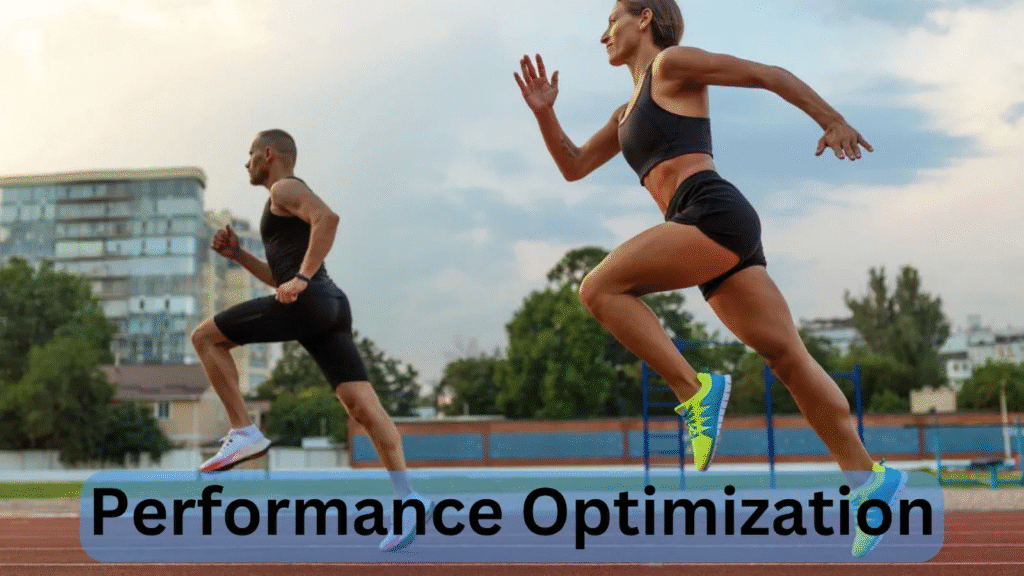
A smart training plan respects both your current level and where you want to go. That means combining general conditioning (building overall fitness) with sport-specific work (movements that mimic what happens in your event). And don’t forget to reassess along the way—your body changes, and your plan should adapt.
Building Strength with Flexibility in Mind
Yes, having muscle matters. But having stiff joints? That’s a quick path to injury. You need both power and suppleness. So weave in resistance workouts plus mobility or stretching sessions to maintain full range of motion. Your joints will thank you long term.
The Mind Game: Why Mental Training Matters


Athletes often train hard physically but skip mental prep. That’s a missed edge. Techniques like visualization, goal setting, and breathing control help you stay calm under pressure, stay focused, and bounce back from setbacks. In a tight match, mental toughness can tip the balance.
Fueling Performance: Nutrition & Hydration
You can’t expect your body to perform on fumes. A strong nutrition strategy includes:
- Hydration: water (and electrolytes when needed)
- Carbs: for energy—choose whole sources like grains, fruits, veggies
- Proteins: to repair and build muscle
- Healthy fats: for endurance and recovery
- Vitamins & minerals: to support metabolic and immune function
Also, timing matters. How and when you eat relative to workouts or competitions can make a big difference.
The Speed-Endurance Balance
In many sports (soccer, basketball, cycling), you need to be fast and able to sustain effort. But piling on too much endurance work can dull your explosive power, and focusing solely on speed may leave you gassed later. The trick is periodizing your training: alternate phases where you emphasize speed, then shift toward endurance, and integrate both when needed.
Recovery: The Secret Ingredient
You can’t train nonstop and expect your body to keep up. Recovery strategies help you build, not break down. Here’s what to include:

- Quality sleep: central to repair and performance
- Active recovery: gentle movement or low-intensity workouts
- Passive methods: massage, foam rolling, cold therapy, compression
- Listening to your body: if you’re dragging, don’t force through
Recover better, and you’ll train better tomorrow.
Putting It All Together — A Sample Framework
- Start with physical preparation – general fitness and sport-specific drills
- Add strength + mobility work to build power and flexibility
- Incorporate mental training early, not as an afterthought
- Dial in nutrition & hydration suited to your body and goals
- Plan speed and endurance load smartly, without overdoing either
- Protect recovery as seriously as your training
A Few Bonus Insights
- Track not just what you lift or how fast you run, but how you feel—energy levels, mood, soreness can tell you when you’re overreaching.
- After a tough session or competition, spend extra time on passive recovery—your body is most vulnerable then.
- Use “deload weeks” (lighter training) periodically—these help you rebound stronger.
#SportsPerformance #AthleteLife #PeakPerformance #TrainSmart #SportsTraining #AthleticTraining #FitnessGoals #SportsScience #PerformanceTips #MindBodyBalance#Carrerbook#Anslation #StrengthAndConditioning #EnduranceTraining #MentalToughness #HealthyLifestyle #SportNutrition #RecoveryMatters






Leave a Reply